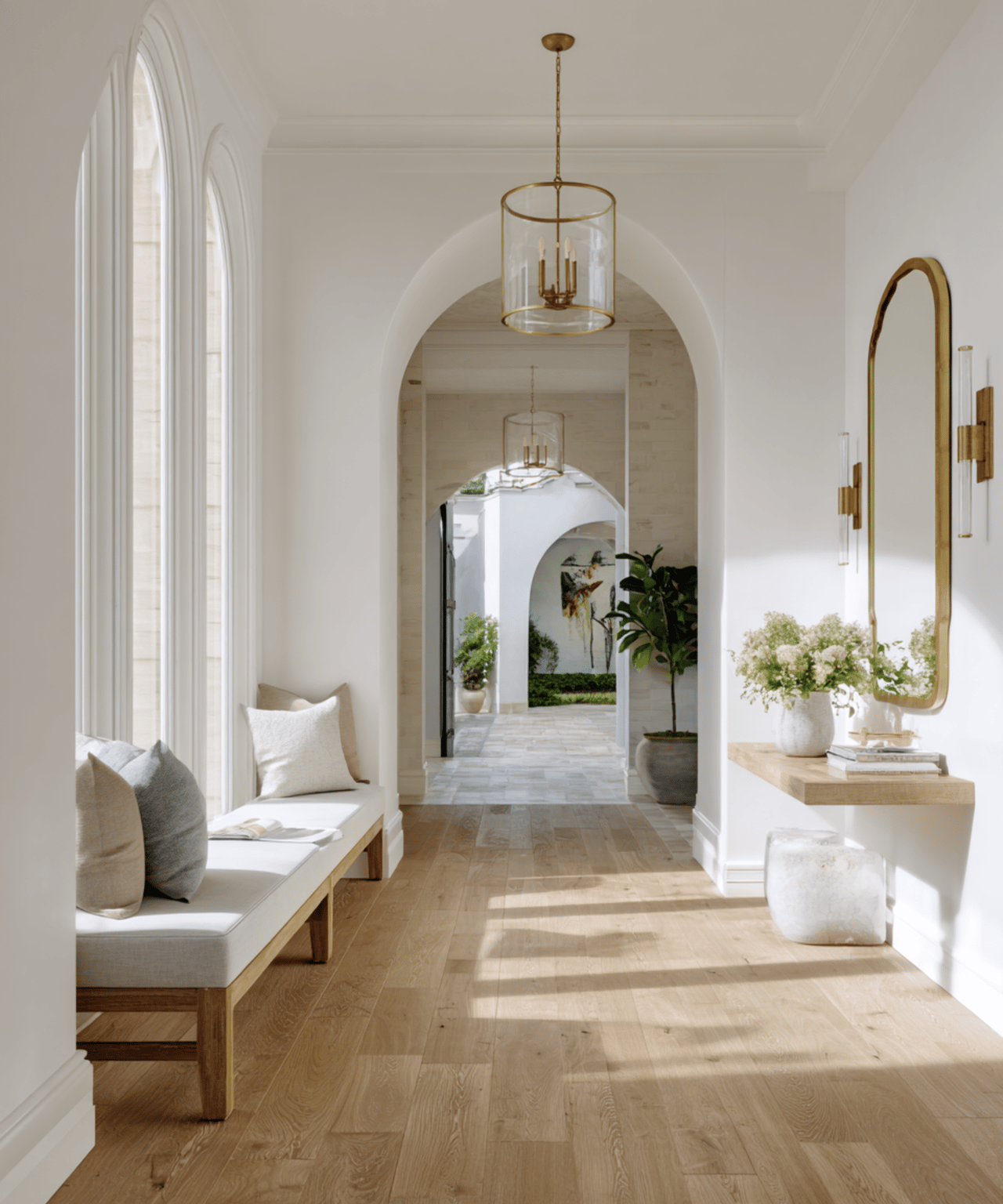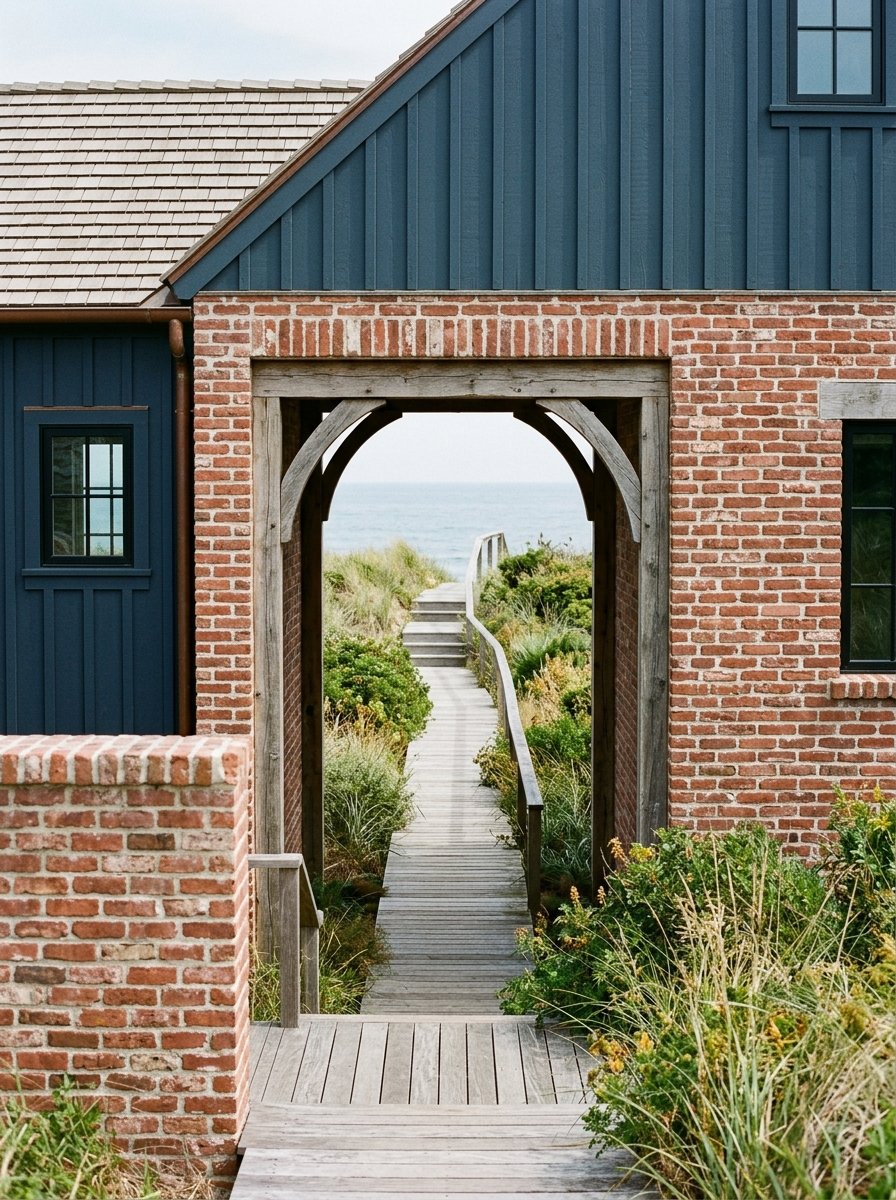
Dreaming about Rosemary Beach often starts with the picture postcard version: white architecture, winding boardwalks, and a beach town you can actually explore on foot. If you are thinking about buying here, though, the details matter just as much as the charm. Understanding how the community is planned, how beach access works, and how homes are priced can help you make a smarter decision. Let’s dive in.
Why Rosemary Beach Feels Different
Rosemary Beach was conceived in 1995 as a 107-acre Gulf-front community on Scenic Highway 30A. According to the property owners association, it was designed as a New Urbanist, walkable town where daily destinations are only about a five-minute walk away. That planning approach still shapes how the community feels today.
Instead of a typical beach subdivision with disconnected streets and car-heavy traffic patterns, Rosemary Beach is organized more like a compact coastal village. Paths, parks, small roads, and shared spaces connect homes, the town center, and the beach. For you as a buyer or second-home shopper, that means daily life can feel more relaxed and more convenient.
Architecture Shapes the Experience
One of the first things people notice in Rosemary Beach is its consistent architectural style. The POA says the design draws from the Caribbean, the West Indies, and coastal Southern cities. That influence helps explain the white stucco exteriors, Dutch West Indies details, open facades, and natural coastal color palette you see throughout the community.
This look is not accidental. Rosemary Beach is governed by a formal code covering development, construction, landscaping, and maintenance. For buyers, that level of structure can be appealing because it supports a cohesive visual identity and helps preserve the town’s overall character.
What the Design Means for Buyers
If you are comparing Rosemary Beach to other 30A communities, the architecture here tends to feel especially curated. Homes and buildings are part of a larger plan rather than a mix of unrelated styles. That can be a major draw if you value a polished, consistent setting.
It also affects how the community lives day to day. Streetscapes, facades, and shared spaces are designed to encourage walking and public interaction rather than isolating homes from one another. In practical terms, you are not just buying a property. You are buying into a very specific built environment.
The Town Center Is Part of Daily Life
The town center is the heart of Rosemary Beach. Official community materials describe it as a daily-use core with meandering paths, boardwalks, and cobblestone streets leading to Town Hall, the post office, parks, restaurants, shops, lodging, and other services. Town Hall itself was completed in 1999 at the center of the community.
That matters because the walkable lifestyle here is built into the layout. You are not driving out of the neighborhood to find every convenience. The civic and commercial pieces are embedded right into the community fabric.
A Walkable Layout With Purpose
For many second-home buyers, walkability is more than a buzzword. It can shape how often you use the property, how easy it feels to host guests, and how much you rely on a car once you arrive. Rosemary Beach was designed with that in mind from the start.
The result is a setting where homes, greens, gathering spaces, and services feel connected. If your goal is a coastal property that supports an easy, on-foot lifestyle, this is one of the community’s defining strengths.
Boardwalks, Paths, and Green Spaces
Rosemary Beach is threaded with footpaths, boardwalks, and smaller pathways that make it easy to move through town. The community also features a 2.3-mile Fitness Trail and Walking Tour with four fitness stations. Those elements reinforce the pedestrian-first design that sets the area apart.
Beyond the paths themselves, the community includes green spaces, pools, a town hall, a post office, and a butterfly garden. Together, these amenities create a shared outdoor environment rather than a neighborhood that revolves only around private lots. If you enjoy a town where movement and outdoor gathering are part of everyday life, that is a key part of the appeal.
How Beach Access Works
Beach access in Rosemary Beach is organized and structured. Rosemary Beach Beach Service states that the community has 9 walkovers, labeled A through I, that provide access to the Gulf. Walk-up chair service is available at walkovers B, D, and G.
The POA describes the beachfront as a quarter-mile-long stretch. Walton County tourism also notes that resort areas such as Rosemary Beach include private beachfront, while people may traverse the wet-sand area along the county shoreline. For buyers, that means beach use here often feels more managed than at a wide-open public beach.
Beach Service and Access Codes
Another important detail is the access-code system tied to beach service. Rosemary Beach Beach Service says owners or rental providers supply the code, and that code is required to reserve chairs, umbrellas, tables, and related services. That system adds a more resort-style layer to the ownership and guest experience.
If you are buying a second home or a property that may be used by guests, this is worth understanding upfront. It can make the experience feel streamlined, but it also means beach access and setup follow community-specific procedures rather than a simple public-beach model.
Condos vs. Single-Family Homes
If you are deciding what to buy in Rosemary Beach, one of the biggest questions is often whether a condo or a single-family home makes more sense. The answer depends on how you plan to use the property, how much space you want, and how much hands-on ownership you prefer.
Based on current inventory examples, condos in Rosemary Beach often fall into a practical range of about $1.4 million to $4.6 million or more. Recent or current examples include units priced around $1.4 million, $1.78 million, $2.065 million, $2.495 million, and about $4.59 million for a larger four-bedroom condo. In general, smaller units sit toward the lower end, while larger or more premium Gulf-adjacent units rise quickly.
Single-family homes typically occupy the higher end of the market. Current examples suggest a range of about $3.2 million to $8.45 million or more, with active or recent listings at $3.195 million, $4.695 million, $4.9 million, and $8.45 million. Detached homes usually command a premium, especially when they offer a larger footprint or are closer to the beach.
A Quick Comparison
| Property Type | Typical Price Range | Common Appeal |
|---|---|---|
| Condo | About $1.4M to $4.6M+ | More turnkey, association-managed ownership |
| Single-family home | About $3.2M to $8.45M+ | More privacy, outdoor space, and a detached feel |
As a practical takeaway, condos are often the easier fit if you want a lower-maintenance, more lock-and-leave option. Single-family homes may suit you better if you want more privacy, more room, or a more independent ownership experience.
Rosemary Beach Is a Luxury Submarket
Rosemary Beach stands well above the broader regional market in pricing. Realtor.com shows a median listing home price of $3,422,500 and a median home sale price of $2,495,000 for the neighborhood. By comparison, Florida Realtors Q1 2026 data for the broader Crestview-Fort Walton Beach-Destin MSA shows median sale prices of $360,000 for single-family homes and $291,250 for condos and townhouses.
That gap is important if you are evaluating value, timing, or long-term use. Rosemary Beach is not just another coastal neighborhood. It is a distinct luxury submarket with pricing that reflects its design standards, walkable layout, and managed beach-town experience.
What Buyers Should Keep in Mind
If you are considering Rosemary Beach, start with the lifestyle before the floor plan. The community is especially appealing if you want walkability, strong design continuity, and a beach experience that feels organized and resort-like. Those qualities are part of what makes the area special.
You should also think carefully about how you plan to use the property. A condo may offer a more turnkey setup, while a single-family home may give you more privacy and space. The right fit often comes down to whether you want simplicity, separation, or a balance of both.
Finally, understand that Rosemary Beach operates within a structured community framework. From architectural standards to beach access systems, this is a place with clear organization and a defined identity. For many buyers, that is exactly the point.
If you are exploring Rosemary Beach or comparing it with other 30A options, working with someone who understands both the lifestyle and the numbers can make the process a lot easier. Jamie Yarbrough offers thoughtful guidance for buyers looking at coastal homes, second properties, and luxury opportunities along 30A.
FAQs
How walkable is Rosemary Beach for everyday living?
- Rosemary Beach was planned as a walkable New Urbanist town, and the POA says most destinations are about a five-minute walk from anywhere in the community.
How many beach walkovers does Rosemary Beach have?
- Rosemary Beach Beach Service says the community has 9 beach walkovers, labeled A through I.
How does beach access work in Rosemary Beach?
- Beach access is organized through designated walkovers, and beach service reservations require an access code provided by the owner or rental provider.
What is the architectural style in Rosemary Beach?
- The community’s architecture draws from the Caribbean, the West Indies, and coastal Southern cities, with design standards that help maintain a consistent look.
What do condos typically cost in Rosemary Beach?
- Current condo examples suggest a practical price range of roughly $1.4 million to $4.6 million or more, depending on size and location.
What do single-family homes typically cost in Rosemary Beach?
- Current single-family examples suggest a practical range of about $3.2 million to $8.45 million or more, with premiums for larger homes and beach-proximate locations.