Dreaming about a beach town where you can walk to coffee, head to the sand in minutes, and end the day with a concert or dinner in the village center? Rosemary Beach offers that kind of lifestyle, but it also comes with a very specific feel that is not for everyone. If you are considering a primary home, second home, or coastal investment here, it helps to understand how the neighborhood actually functions day to day. Let’s dive in.
A Walkable Beach Village
One of the biggest differences you will notice in Rosemary Beach is how compact daily life feels. The community was planned around foot traffic, with pedestrian lanes, footpaths, and boardwalks connecting homes, green spaces, and the town center.
Instead of the usual beach-town pattern of driving from place to place, many routines here can happen on foot or by bike. The community’s design places parking behind homes in alleyways, and official community materials say everything is within no more than a five-minute walk.
That planning choice shapes the pace of life. Cobblestone streets, winding paths, and connected public spaces create a slower rhythm that feels more village-like than suburban.
Getting Around Day to Day
If you live in Rosemary Beach, you are likely to walk more than you drive once you are in the neighborhood. Shops, restaurants, the Town Hall, and the Post Office are grouped in the Town Center, which keeps everyday destinations close together.
There is also a practical side to that walkability. Community rules state that sidewalks, boardwalks, and bike paths are for pedestrians and bicycles, not electric scooters, skateboards, or similar non-pedal devices. That helps preserve the calm, low-speed atmosphere many buyers are looking for.
Beach Access Feels Easy
In some coastal communities, getting to the beach can feel like a production. In Rosemary Beach, beach access is built into the neighborhood layout.
According to the official community site, there are nine dune walkovers providing beach access, and each includes showers. Two of those walkovers are wheelchair accessible and also include restrooms, which adds convenience for residents and guests.
The result is that beach time often feels like part of your normal routine instead of a planned outing. A quick morning walk, an afternoon break by the water, or an evening stroll can all fit naturally into the day.
Pools, Parks, and Outdoor Spaces
Rosemary Beach is not just about the shoreline. The community also includes four pools, plus footpaths that connect to parks, public spaces, a butterfly garden, tennis courts, and other shared outdoor areas.
That setup gives the neighborhood a connected outdoor feel. Rather than one central amenity area, it feels more like a series of linked spaces where you can move easily from one setting to another.
Outdoor Living Is Part of the Routine
If you enjoy walking, jogging, or biking, Rosemary Beach makes that easy. The community’s Fitness Trail & Walking Tour is 2.3 miles long and includes four fitness stations.
Beyond the neighborhood itself, the Timpoochee Trail runs 19 miles along Scenic 30A through 12 beach neighborhoods. For residents, that means recreation and transportation often overlap. You can use the trail for exercise, casual rides, or simply getting around the broader 30A corridor.
What That Means for Daily Life
Living here tends to pull you outdoors more often. Even simple routines like getting coffee, meeting friends, or heading to the pool can involve a short walk or bike ride through the neighborhood.
For many buyers, that is a major part of the appeal. If you want a place where the built environment encourages time outside, Rosemary Beach delivers that in a very intentional way.
Architecture Is Beautiful and Structured
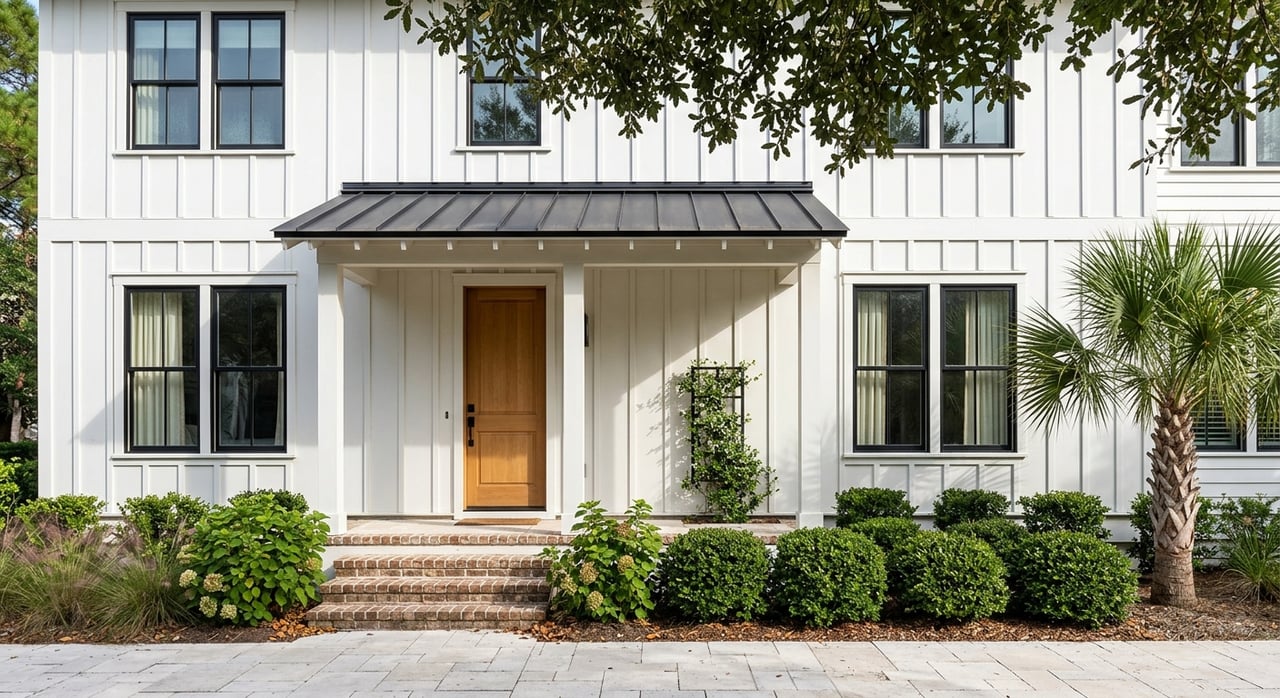
Rosemary Beach has a distinct look, and that is not accidental. The community was designed by Andres Duany and Elizabeth Plater-Zyberk using a traditional neighborhood plan with strict urban codes and design regulations.
Official community information notes that there are 12 basic building types, custom-designed homes, and exterior materials and colors kept to natural, subdued palettes. The architecture draws inspiration from places like St. Augustine, the West Indies, New Orleans, and Charleston, with details such as porches, courtyards, and deep eaves.
Why Buyers Love the Design
This level of design control creates a polished, cohesive streetscape. As you move through Rosemary Beach, the homes, public spaces, and streets all feel like they belong to the same vision.
That consistency is a major reason many buyers are drawn here. If you value aesthetics, architectural harmony, and a carefully curated coastal setting, Rosemary Beach stands out.
The Tradeoff to Know
The same design standards that create beauty also limit exterior flexibility. Compared with a less regulated beach area, Rosemary Beach is a better fit if you appreciate community standards and a consistent visual character.
If your priority is maximum freedom to change a home’s exterior look or style, this is an important factor to weigh early in your search. Knowing that upfront can help you decide whether the neighborhood matches your lifestyle and ownership goals.
The Town Center Shapes Social Life
A big part of living in Rosemary Beach is how much activity stays centered in the village core. Dining and shopping are concentrated rather than spread out, which helps the neighborhood feel active and connected.
Visit South Walton highlights a mix of restaurants and cafes such as Restaurant Paradis, Cowgirl Kitchen, Amavida Coffee Roasters, La Crema Tapas & Chocolate, Pescado Seafood Grill & Rooftop Bar, Havana Beach Bar & Grill, and Gallion’s Restaurant Cocktail Lounge. Retail options mentioned include Willow Boutique, Pish Posh Patchouli’s, Gigi’s Fabulous Kids’ Fashion and Toys, and The Sugar Shak.
What the Village Feel Is Really Like
This is one of the clearest lifestyle advantages of Rosemary Beach. Instead of a strip-mall setup or a scattered commercial corridor, you get a small but concentrated center where dining, shopping, and gathering happen close together.
That makes spontaneous plans easier. It is simple to walk into the center for coffee, dinner, or browsing shops without turning it into a big outing.
Events Create a Strong Community Rhythm
Rosemary Beach also has a social calendar that adds structure to the year. Official community content says the Rosemary Beach Farmers Market takes place every Sunday morning in Barrett Square, and weekly concerts are held in Barrett Square or South Barrett Green.
Community event pages also show recurring seasonal programming such as Memorial Day concerts, a Fourth of July bike parade and celebration, Thanksgiving Day races, and racquet-club tournaments across spring, summer, and fall. That steady event pattern helps create a real sense of rhythm beyond beach days alone.
Busy Seasons and Quieter Seasons
Seasonality matters here. Community planning content describes summer as peak season, spring and fall as less crowded, and winter as quieter.
That means your experience can shift throughout the year. Some buyers love the energy of peak season, while others prefer the calmer feel of the shoulder seasons and winter months.
Climate and Preparedness Matter
Rosemary Beach offers a warm coastal climate, but it comes with the realities of the Florida Panhandle. NOAA climate normals for nearby Panama City 5N show an average high of 64.4°F in January and 91.1°F in July, with an annual mean temperature of 69.4°F and 61.27 inches of annual precipitation.
In practical terms, that means mild winters, hot and humid summers, and plenty of rain throughout the year. NOAA also defines Atlantic hurricane season as June 1 through November 30, so storm awareness and preparedness are part of coastal ownership.
What Buyers Should Think About
If you are comparing Rosemary Beach with other second-home or primary-home options, climate is more than a lifestyle detail. It affects how you use the property, when you travel, and how you prepare seasonally.
For some buyers, the mild winter weather is a major plus. For others, the summer heat and storm season are important considerations to plan around.
Primary Home or Second Home?
This is an especially useful question in Rosemary Beach, where many buyers are drawn to both lifestyle and investment potential. Your intended use can affect how you search, budget, and plan for ownership.
If you are considering Rosemary Beach as your primary residence, Walton County’s Property Appraiser says homestead exemption applications are due by March 1 for the year requested. That makes it important to be clear early on about whether the property will be your main home or a second home.
Why That Distinction Matters
A primary residence and a second home can come with different planning priorities. You may think differently about daily routines, storage, travel frequency, and long-term costs depending on how you expect to use the property.
This is where local guidance can make a big difference. A neighborhood like Rosemary Beach has a unique mix of lifestyle appeal, ownership structure, and seasonal patterns, so it helps to evaluate the fit carefully before you buy.
Who Rosemary Beach Fits Best
Rosemary Beach tends to appeal most to buyers who want a polished, walkable coastal environment with easy access to the beach and a strong sense of place. It is especially attractive if you value convenience, aesthetics, and community life.
It may be a strong match if you are looking for:
- A beach neighborhood where many daily activities happen on foot
- A visually cohesive community with clear architectural standards
- Close access to dining, shopping, and events
- Outdoor amenities that support walking, biking, and active living
- A second home or coastal property with a distinct village feel
It may be less ideal if your priority is a larger lot, car-centric living, or broad exterior design freedom. That does not make it better or worse than other 30A options. It simply makes it more specific.
Final Thoughts on Living Here
What it is really like to live in Rosemary Beach comes down to lifestyle fit. You are choosing a compact, design-driven beach village where architecture, walkability, outdoor living, and community events all play a major role in everyday life.
For the right buyer, that combination feels effortless and special. If you want thoughtful guidance as you compare Rosemary Beach with other 30A communities or evaluate whether it fits your goals, Jamie Yarbrough can help you navigate the process with clear local insight and personalized support.
FAQs
What is daily life like in Rosemary Beach?
- Daily life in Rosemary Beach is compact and walkable, with pedestrian lanes, footpaths, bike routes, and a Town Center that keeps many everyday destinations close together.
How easy is beach access in Rosemary Beach?
- Rosemary Beach has nine dune walkovers with showers, and two of those walkovers are wheelchair accessible and include restrooms.
Are there amenities besides the beach in Rosemary Beach?
- Yes. The community includes four pools, parks, public spaces, a butterfly garden, tennis courts, and a 2.3-mile Fitness Trail & Walking Tour with four fitness stations.
Does Rosemary Beach have strict design rules?
- Yes. The community follows detailed architectural codes and design standards intended to preserve a cohesive look and feel throughout the neighborhood.
Is Rosemary Beach active year-round?
- Rosemary Beach has activity throughout the year, including farmers markets, concerts, holiday events, and racquet-club programming, but summer is described as peak season while winter is quieter.
What kind of climate should buyers expect in Rosemary Beach?
- Buyers can expect mild winters, hot and humid summers, annual rainfall, and the need to stay aware of Atlantic hurricane season, which runs from June 1 through November 30.
What should primary-home buyers know about Rosemary Beach ownership?
- Buyers considering a primary residence should know Walton County’s Property Appraiser says homestead exemption applications are due by March 1 for the year requested.